

Medicube PDRN Serum Review: Is the Salmon DNA Hype Real for Skin After 40?
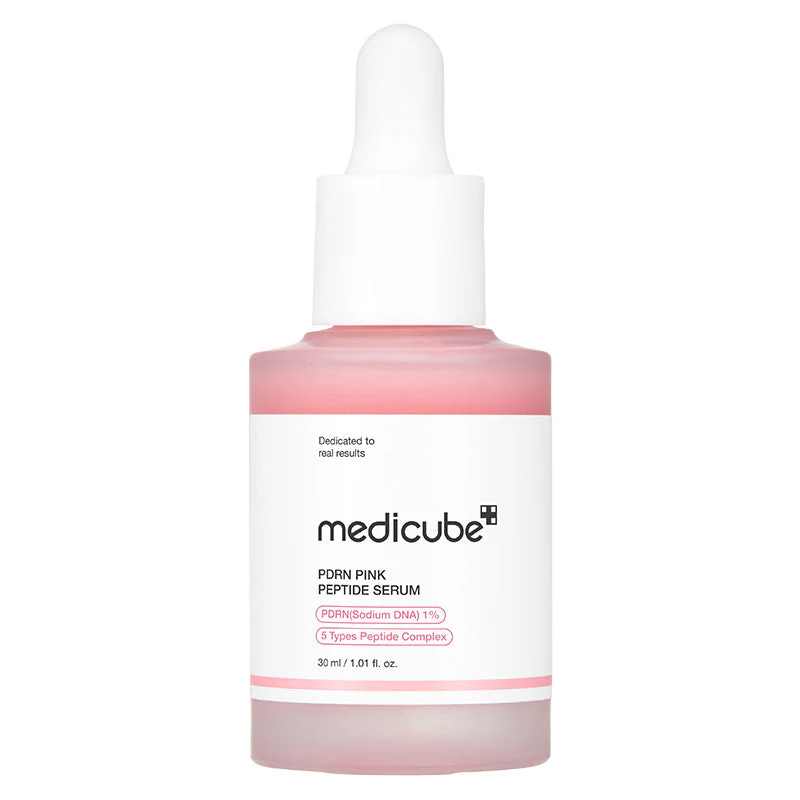
This Medicube PDRN Serum review covers everything I discovered over six weeks of testing. There is a moment in any skincare obsessive’s journey when a genuinely new ingredient appears and you think: is this real, or is it marketing? That was my reaction the first time I encountered PDRN — Polydeoxyribonucleotide, derived from salmon DNA — in a Korean serum. My instinct was scepticism. My research changed that. After several weeks testing the Medicube PDRN Pink Peptide Serum on my own dry, acne-prone, post-40 skin, here is what I actually found.
This article contains affiliate links. If you purchase through these links, I may earn a small commission at no additional cost to you.
What Is PDRN and Why Does It Matter for Skin After 40?
PDRN stands for Polydeoxyribonucleotide — a polynucleotide extracted from salmon sperm DNA. In clinical dermatology, PDRN has been used in injectable skin-repair procedures for years, with research supporting its ability to stimulate tissue regeneration via adenosine A2A receptor activation. The mechanism, in plain terms: it encourages the skin’s repair processes at a cellular level.
When I researched topical PDRN, the evidence is less strong than the injectable form — as is always the case when translating clinical procedures into cosmetic products. However, the component nucleotides and nucleosides in topical PDRN may still support hydration and skin recovery. For skin after 40, where repair processes have genuinely slowed down, this is an interesting mechanism.
Key Ingredients — What the Formula Actually Contains
Beyond PDRN, the Medicube formula contains two ingredients I use daily in my own routine for good reason. Niacinamide (Vitamin B3) is one of the most studied skincare actives available. At meaningful concentrations it inhibits melanosome transfer (reducing hyperpigmentation), strengthens the skin barrier, and has anti-inflammatory properties. Its presence here makes this serum genuinely multi-functional.
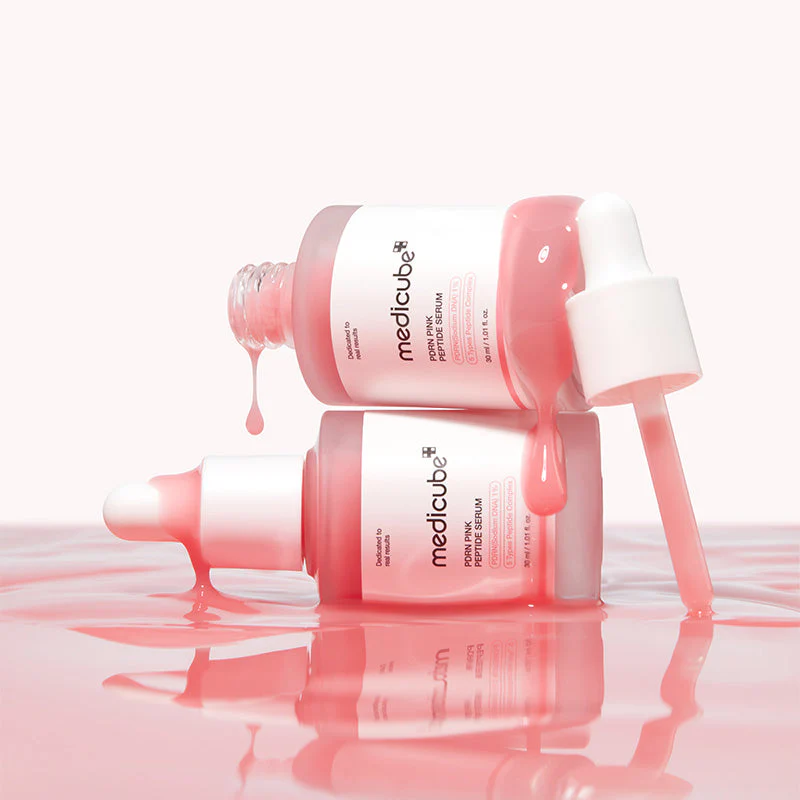
Peptides signal the skin to produce collagen. Combined with PDRN, the formula is working on both repair and structural support simultaneously.
Texture, Application and How It Felt on My Skin
The serum has a light gel texture with that characteristic slip you find in well-formulated Korean serums. It absorbs quickly — no pilling under moisturiser. On my dry skin, I used it after toner and before my ceramide moisturiser, both morning and evening. Within the first two weeks, my skin felt consistently more hydrated without any congestion. By week four, texture felt noticeably smoother. What I did notice most was better moisture retention through the day, which for chronically dry skin is significant.
Who Should Use This Serum: Medicube PDRN Serum Review Verdict
If you have dry, dehydrated skin over 35–40 and want a lightweight serum that addresses hydration, repair, and mild brightening simultaneously, this formula is well-constructed for that purpose. If your primary concern is active breakouts, you would be better served by a dedicated azelaic acid serum as your targeted step. This sits in the maintenance and prevention category.
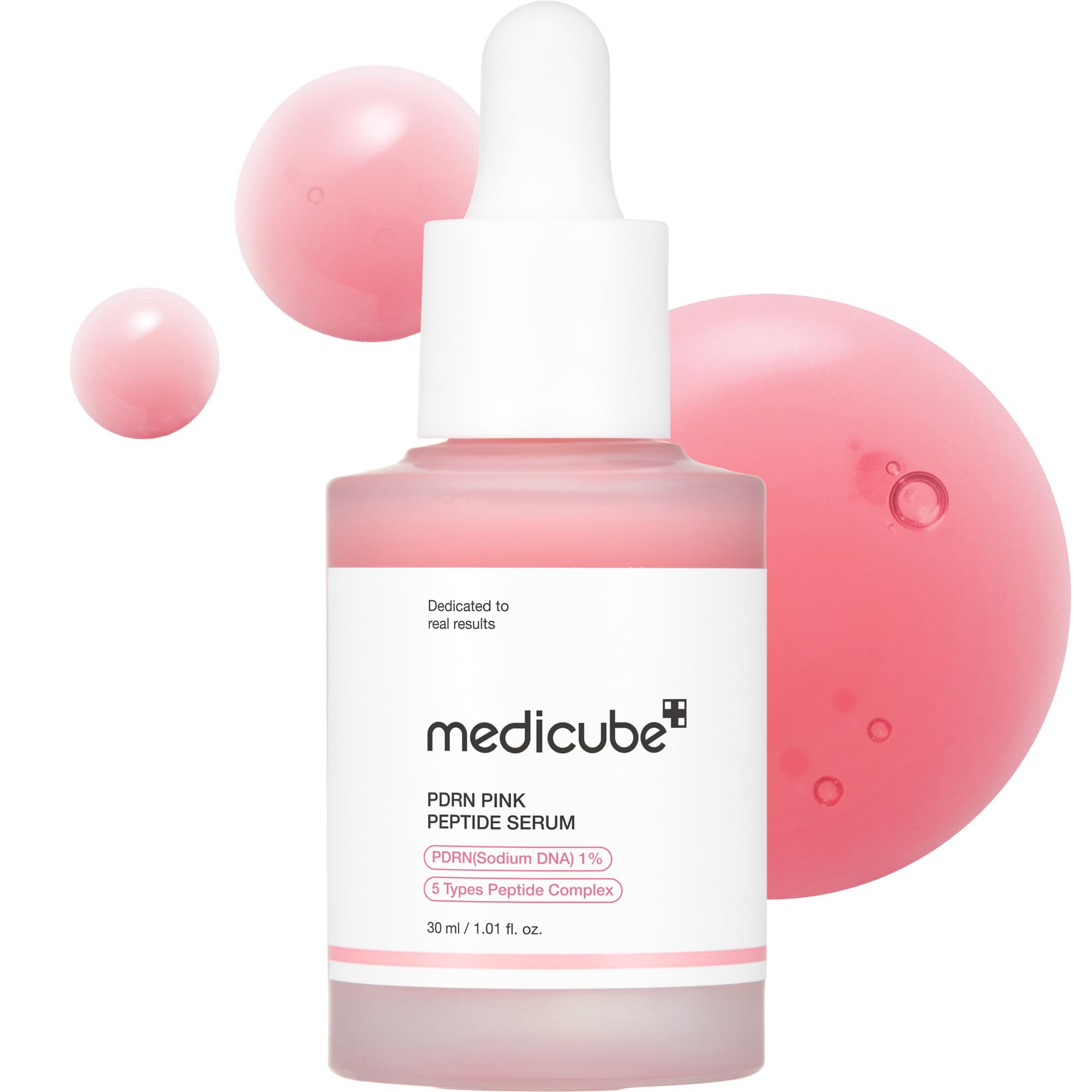
Check Medicube PDRN Serum on Stylevana
Frequently Asked Questions
Can I use this serum with retinol?
Yes. Apply the Medicube PDRN serum first (water-based), then your moisturiser, then retinol. Or use retinol on alternating evenings.
Is PDRN safe for acne-prone skin?
Based on my testing and the ingredient profile, yes. Patch test before committing to a full routine.
How long before I see results?
Hydration improvement is noticeable within the first week. Skin texture and tone changes take 4–8 weeks of consistent use.
Does it work for hyperpigmentation?
The niacinamide content will gradually address mild hyperpigmentation. For more significant dark spots, pair with a dedicated azelaic acid serum.
You Might Also Like
- SKIN1004 Probio-Cica Ampoule Review: Best for Reactive Skin?
- COSRX Snail Mucin Review: What It Does for Dry Skin After 40
- 5 Signs Your Skin Barrier Is Damaged After 40 — And What Is Causing It
How the Medicube PDRN Serum Compares to Retinol and Other Korean Firming Actives
PDRN is the most significant new firming ingredient to enter the Korean skincare market in a decade, and Medicube was one of the first mainstream brands to make it accessible at home. Understanding where it fits relative to retinol and other firming actives is key to using it well after 40.
Compared to retinol, PDRN works through a completely different mechanism. Retinol accelerates cell turnover, which can thin the skin over time and almost always causes a “purge” phase of irritation, flaking, and breakouts. PDRN signals fibroblasts to produce more collagen and elastin without triggering accelerated turnover or inflammation. The practical result for mature skin: similar firming effects in 6–8 weeks, but without the irritation, sun sensitivity, or barrier damage that long-term retinol use can cause.
Compared to Beauty of Joseon Revive Serum (also on Stylevana) (peptide-based), the Medicube is the more aggressive firming option. Peptides are gentler signal molecules that build collagen slowly; PDRN works faster and more visibly. Use Beauty of Joseon as your daily peptide serum and add Medicube 2–3 times a week for amplified firming, or use Medicube daily as your primary firming serum if your skin tolerates it.
Compared to Sulwhasoo Concentrated Ginseng Renewing Serum, which is the luxury K-beauty firming benchmark, the Medicube delivers comparable visible firming at one-third the price. The Sulwhasoo has a more elegant texture and more sophisticated supporting ingredients, but the active firming effect is similar. Cost-to-result, Medicube wins.
Compared to mainstream Western alternatives like SkinCeuticals Resveratrol B E or RoC Retinol Correxion, PDRN is the gentler and more compatible option for mature skin that has become reactive. Many women over 40 who failed on Western retinoids — chronic redness, persistent peeling, broken capillaries — switch to PDRN and finally see firming results without the inflammatory cost.
The single most important application detail: layer PDRN onto slightly damp skin and follow with a ceramide moisturiser. PDRN’s molecules are larger than the average serum active, and a damp skin surface plus an occlusive moisturiser dramatically improves penetration. Used dry without follow-up moisture, the serum will sit on the surface and deliver only a fraction of its potential effect.
Related reading
Free Guide
Get Your Free 5-Minute K-Beauty Routine
A simple, step-by-step morning routine designed for healthy, glowing skin after 40. No 10-step overwhelm — just 5 minutes.
YES, SEND ME THE GUIDEThis article is for general information only and is not medical advice. Skin can respond differently to the same product, so please patch test anything new. If you have a skin condition, persistent irritation or any concerns about your skin, speak to your GP, a pharmacist or a dermatologist. Read the full Disclaimer.