Axis-Y Dark Spot Correcting Glow Serum Review: Does It Work on Mature Hyperpigmentation?
This Axis-Y Dark Spot Correcting Glow Serum review is for anyone researching solutions for hyperpigmentation after 40. Hyperpigmentation is the skincare concern that requires the most patience and the most scepticism toward marketing claims. I researched the Axis-Y Dark Spot Correcting Glow Serum carefully before trying it, because a product that combines niacinamide, a stable vitamin C derivative, and an AHA/BHA complex in one formula is either thoughtfully constructed or trying to do too much at once. After working through the ingredient list and testing it on both my post-acne marks and older sun-induced patches, here is my honest assessment.
This article contains affiliate links. If you purchase through these links, I may earn a small commission at no additional cost to you.
Check current price of Axis-Y Dark Spot Serum (also on Stylevana)
The Ingredients and What Each One Is Actually Doing
Niacinamide is the anchor of this formula and the ingredient I have the most confidence in for hyperpigmentation. At an effective concentration, it inhibits the transfer of melanosomes from melanocytes to surrounding skin cells — reducing how much pigment is deposited in the first place. It works gradually and consistently, which is exactly the right profile for hyperpigmentation care.
STAY-C 50 is a stable form of ascorbyl glucoside — a Vitamin C derivative that converts to active ascorbic acid on the skin. Unlike pure L-ascorbic acid, it does not oxidise rapidly and does not typically cause the irritation that pure vitamin C can trigger on dry or sensitive skin. The brightening action is gentler and slower than pure vitamin C, which is the right trade-off for reactive skin types.
The AHA/BHA complex addresses hyperpigmentation from the surface down — by accelerating cell turnover and removing the uppermost layers of pigmented cells more quickly than the skin does naturally. At the concentrations present in this serum (lower than dedicated acid serums), the effect is gradual and appropriate for dry skin types where aggressive exfoliation worsens barrier function.
Licorice root extract (Glycyrrhiza Glabra Root Extract) contains glabridin, a compound that inhibits tyrosinase — the enzyme involved in melanin synthesis. It works via a different pathway than niacinamide, meaning there is a genuine additive benefit when both are present.
How It Performs on Dry, Acne-Prone Skin
My primary concern when researching this product was the AHA/BHA content alongside dry, barrier-sensitive skin. The combination works well here because the acid concentration is calibrated for a brightening role rather than a primary exfoliation role. I did not experience increased dryness or sensitivity after introducing it, which would have been my concern with a higher-concentration acid formula.
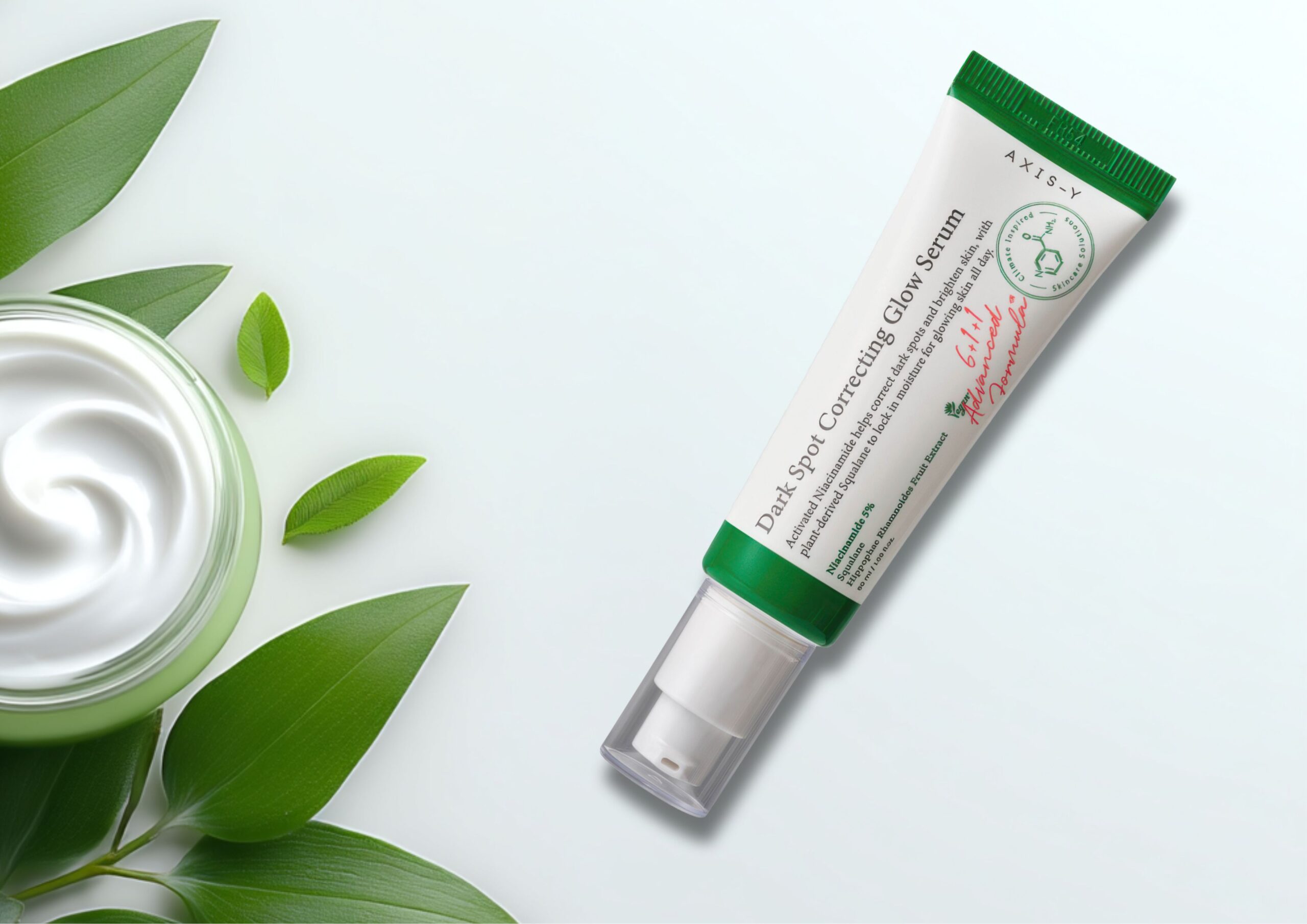
On post-acne marks (PIH — post-inflammatory hyperpigmentation), I noticed visible improvement at the four to five week mark with daily evening use. On older, more established sun spots, progress was slower — as expected, since surface-level cell turnover addresses recent pigmentation more effectively than deeper, chronic discolouration.
The texture is lightweight and fluid, absorbs without pilling, and layers without issue under my ceramide moisturiser. No fragrance, no essential oils.
How to Introduce This Serum Safely on Dry or Sensitive Skin
Because of the AHA/BHA content, introduce this gradually. Start with every other evening for the first two weeks. Morning SPF is non-negotiable — acids increase photosensitivity and will cause existing pigmentation to worsen under UV exposure. Do not use this serum on the same evening as retinol during the introduction period.
If your barrier is currently compromised, address that first before adding this serum. Acids on a disrupted barrier will cause irritation rather than brightening. A four to six week barrier repair phase followed by a slow introduction of this serum will produce better long-term results than rushing the brightening step.
Check Axis-Y Dark Spot Serum on Jolse (also on Stylevana)
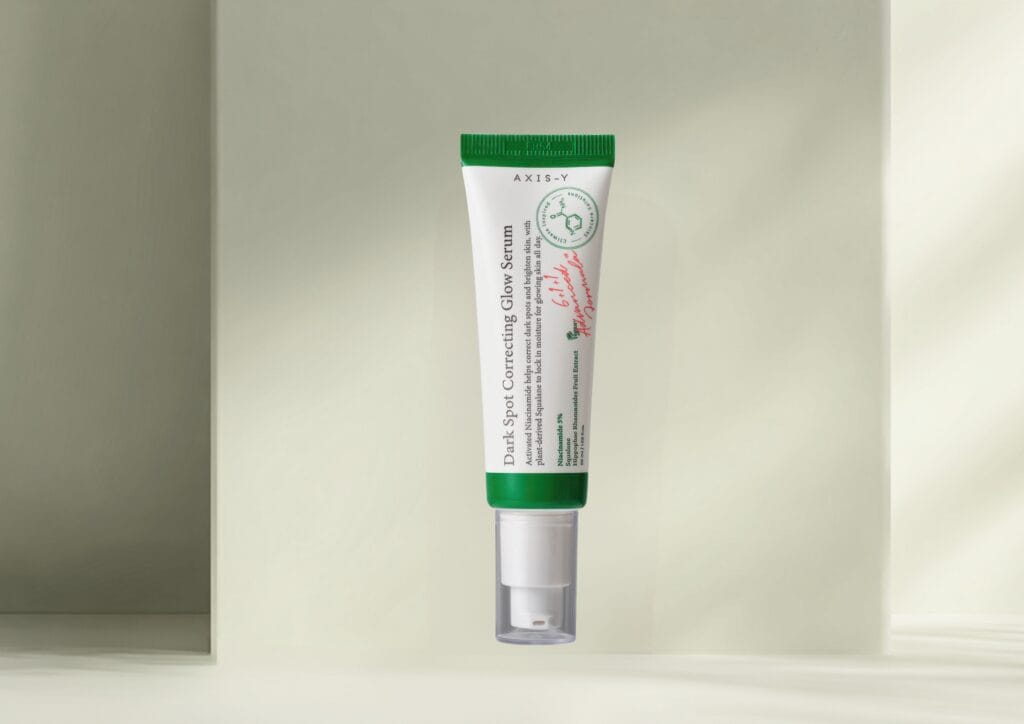
Axis-Y Dark Spot Correcting Glow Serum Review: Frequently Asked Questions
Can I use this serum in the morning?
Yes, but you must apply broad-spectrum SPF 50 afterwards. The AHA/BHA content makes sun protection non-negotiable. If you regularly forget morning SPF, keep this serum for evenings only.
How does this compare to azelaic acid for hyperpigmentation?
This serum is broader in scope — multiple actives targeting pigmentation via different pathways. Azelaic acid is more directly targeted and also anti-bacterial (useful for acne-related pigmentation). I use both: this serum in the evening two to three times per week, and azelaic acid on targeted areas on alternate evenings.
Will it work on melasma?
It may help at the surface level, but melasma has a dermal component that topical brighteners address only partially. For significant melasma, consistent SPF is the most impactful intervention. This serum provides useful support but is not a primary melasma product.
How long before I see results?
For post-acne marks (PIH): visible improvement in four to six weeks of consistent use. For older sun spots or deeper pigmentation: eight to twelve weeks minimum. Hyperpigmentation fading requires patience regardless of the product.
You Might Also Like
- 5 Signs Your Skin Barrier Is Damaged After 40 — And What Is Causing It
- SKIN1004 Probio-Cica Ampoule Review: Best for Reactive Skin?
- Medicube PDRN Serum Review: My Honest Results After 40
Related reading
Free Guide
Get Your Free 5-Minute K-Beauty Routine
A simple, step-by-step morning routine designed for healthy, glowing skin after 40. No 10-step overwhelm — just 5 minutes.
YES, SEND ME THE GUIDEThis article is for general information only and is not medical advice. Skin can respond differently to the same product, so please patch test anything new. If you have a skin condition, persistent irritation or any concerns about your skin, speak to your GP, a pharmacist or a dermatologist. Read the full Disclaimer.