Why Barrier Repair Is the #1 Anti-Aging Strategy After 40
AFFILIATE DISCLOSURE — This post contains affiliate links. If you purchase through my links, I may earn a small commission at no extra cost to you. I only recommend products I have personally researched and believe in. Thank you for supporting Atelier Seoul Skin.
Is your skincare routine destroying your barrier?
I spend most of my time reading skincare research and talking to women over 40 about their biggest skin frustrations. And I’ve noticed something striking: almost everyone’s chasing the newest retinol serum, the latest peptide complex, or the most expensive anti-aging ingredient on the market. But they’re overlooking the one thing that will actually determine whether their skin ages gracefully or spirals into a cycle of sensitivity, inflammation, and accelerated aging. That thing is their skin barrier.
The barrier-first philosophy has been quietly dominating Korean beauty for the last few years, and I think 2026 is the moment it needs to become mainstream everywhere. Because here’s the truth: no serum, no retinol, no miracle ingredient can work properly if your barrier is compromised. And if you’re over 40, your barrier isn’t just aging—it’s under siege.

The Stratum Corneum: Why This Layer Matters More Than Any Serum
Your skin barrier—scientifically called the stratum corneum—is actually much simpler than most skincare marketing makes it sound. It’s not some magical, mystical force. It’s just dead skin cells arranged in layers, held together by a lipid matrix made of ceramides, cholesterol, and fatty acids in precise ratios. This structure is often called the “brick and mortar” model: the dead skin cells are the bricks, and the lipids are the mortar holding them together.
That lipid matrix does something profoundly important. It prevents water from evaporating out of your skin—a process called transepidermal water loss, or TEWL. It also prevents irritants, bacteria, and environmental pollutants from penetrating inward. Your barrier is a selective bouncer: letting in good things and keeping out bad things. When that matrix is intact and healthy, your skin feels plump, looks luminous, and can tolerate active ingredients without freaking out.
Most people don’t realize that the barrier is actually more important than the epidermis or dermis with how your skin looks and functions day-to-day. You can have the healthiest collagen production in the world, but if your barrier is broken, your skin will look dull, feel tight, and show every sign of aging. A healthy barrier, on the other hand, makes everything else—hydration, firmness, glow, resilience—actually possible.
What Happens to Your Barrier After 40: The Biological Reality
The moment you hit 40, your skin barrier starts facing a perfect storm. First, your skin produces fewer ceramides naturally. Ceramides are literally the building blocks of the lipid matrix, and they decline by about 30% between your 30s and 50s. This isn’t dramatic at first, but it’s relentless. Your skin is slowly losing the ingredients it needs to hold itself together.
At the same time, your skin’s repair mechanisms slow down. The turnover rate—how quickly new cells move up from the lower layers to replace dead cells at the surface—gets slower. The enzymes that help break down and rebuild the lipid matrix (called lipases and proteases) become less active. So not only is your skin producing fewer barrier components, it’s also slower at repairing damage when it occurs.
The result? TEWL increases noticeably after 40. Your skin starts losing water at a faster rate than it can replace it. You notice this as sudden dryness, tightness, a sandpapery texture, or that uncomfortable feeling where your skin feels tight but your T-zone is somehow still oily—because dehydration causes reactive overproduction of sebum. Everything feels off.
But the damage doesn’t stop at dryness. A weakened barrier is an inflamed barrier. When water evaporates from your skin and irritants penetrate inward, inflammation cascades. Inflammatory cytokines activate, your skin becomes hypersensitive, and redness and reactivity become constant problems. This is where many women in their 40s end up: dry but reactive, unable to use the very active ingredients they need.
The Vicious Cycle: How a Damaged Barrier Accelerates Aging
Here’s where barrier damage becomes genuinely dangerous from an anti-aging perspective. When your barrier is compromised, your skin enters a cascade of aging. Chronic inflammation—which a damaged barrier produces—accelerates collagen breakdown through increased matrix metalloproteinase (MMP) activity. In other words, inflammation literally eats away at the collagen that keeps your skin firm. Inflammation also increases oxidative stress, which damages elastin and depletes antioxidants in your skin. The cumulative effect is accelerated aging of the dermis: more fine lines, sagging, loss of elasticity.
And if you’re acne-prone—which many of us are at this age—a damaged barrier makes acne worse. Your compromised barrier becomes easier for bacteria to colonize. Inflammation spikes. You get more breakouts. You reach for harsher actives to tackle the acne. Those actives further damage your barrier. Now you’re trapped in a cycle: barrier damage causes acne, tackling acne damages the barrier further, more barrier damage means more breakouts and more inflammation.
I see this pattern constantly in women over 40 with dry, acne-prone skin. They’re not actually dealing with severe acne. They’re dealing with barrier-triggered inflammation masquerading as acne. Their skin is responding to damage, not to a genuine acne problem. The tragedy is that the harsher products they use—strong exfoliants, high-strength retinoids, multiple actives—only make the barrier damage worse.
Barrier Repair IS Anti-Aging: The Real Mechanism
This is the shift that K-beauty has been making, and it’s crucial: barrier repair isn’t just about comfort or reducing sensitivity. It’s a legitimate anti-aging strategy with measurable biological effects. When you repair your barrier, you accomplish three things simultaneously, each of which is profoundly anti-aging.
First, you retain moisture. A healthy barrier locks in water, keeping your skin plump and hydrated. Hydrated skin looks younger—it has volume, luminosity, and fewer visible fine lines. This isn’t a cosmetic illusion. Skin that’s properly hydrated actually has more turgid cells, which physically fill out wrinkles and maintain firmness. Over time, consistent hydration also allows your skin to produce more of its own hydrating compounds, like natural moisturizing factors (NMF), because it’s not in emergency “protect and repair” mode.
Second, you reduce chronic inflammation. A healthy barrier doesn’t trigger constant inflammatory signals. This means your skin stops eating away at its own collagen. The degradation slows. More importantly, your skin can actually produce collagen again, because it’s not using all its cellular resources fighting inflammation. You see this shift in skin texture, firmness, and clarity within weeks of genuine barrier repair.
Third, you allow actives to work properly. This is counterintuitive to most people, but it’s crucial: you can’t use strong actives on a damaged barrier. Your skin just gets more inflamed and damaged. But once your barrier is healthy, you can use actives at their proper strength, and they can do their job. You get the anti-aging benefits of retinol without the irritation. You get the cell-turnover benefits of gentle chemical exfoliants without triggering reactivity. You’re not fighting your skin’s defense system anymore; you’re working with it.
What’s Damaging Your Barrier (And You Might Not Realize It)
Before I talk about how to repair your barrier, I need to talk about what’s destroying it. And here’s the uncomfortable truth: many of the products marketed as “anti-aging” are actually barrier-destroying. Over-exfoliation is the biggest culprit. If you’re using physical scrubs more than once a week, or daily chemical exfoliants (AHAs, BHAs, enzymes), you’re systematically removing the outermost layer of your barrier faster than your skin can rebuild it. Your skin can’t catch up. The damage accumulates.
High-strength retinol is another major offender, especially if you’re applying it to a compromised barrier. Retinol works by increasing cell turnover and triggering inflammation as part of its mechanism. That inflammation can be productive if your barrier is healthy enough to handle it. But if your barrier is already damaged, high-strength retinol just adds more insult. You get irritation without the anti-aging benefits. I’ve seen women in their 40s damage their barriers severely by starting with 0.5% retinol or retinaldehyde—way too strong for someone with an already-compromised barrier.
Layering multiple actives is another trap. Using an AHA toner, vitamin C serum, and retinol on the same night sounds scientifically sophisticated. In reality, it’s overwhelming your barrier’s repair capacity. Your skin can’t rebuild the lipid matrix fast enough when you’re simultaneously stripping it with exfoliants and irritating it with multiple actives. The barrier gets progressively more damaged, and you develop reactive, sensitized skin.
Even your cleanser matters enormously. Most people don’t realize that harsh, stripping cleansers damage the barrier with every single wash. If you’re using a sulfate-based cleanser or anything that leaves your skin feeling tight and squeaky, you’re stripping away protective oils faster than your skin can replenish them. This is especially critical for those of us with dry, acne-prone skin, where the urge to deep-clean can be strong but the impact is devastating.
The Barrier-First Routine: A Practical Framework
So how do you actually repair your barrier and keep it healthy? The approach is straightforward, but it requires patience and a shift in how you think about skincare. This isn’t about finding the most powerful product. It’s about creating an environment where your barrier can recover.
The foundation is a gentle, non-stripping cleanser. I’m a huge advocate of the PURITO Bamboo Panthenol Cleanser (also on Stylevana) for this reason. It cleanses thoroughly—removing makeup, sunscreen, and daily grime—without any harsh sulfates or drying alcohols. Panthenol itself has a barrier-supportive role; it helps maintain skin hydration. The result is skin that feels clean but never tight or uncomfortable. I’ve written a full review of this cleanser here, but the essential point is that this is the cleanser I use twice daily, and it’s the only one I recommend to clients with barrier damage.
After cleansing, a hydrating toner comes next. This step is essential but often skipped in Western skincare routines. A good hydrating toner—something with humectants like glycerin or squalane—applies water to your skin and creates a base for better hydration. This layer allows the heavier creams that follow to seal in moisture more effectively. The difference in how your skin feels—plump versus dehydrated—is measurable within days.
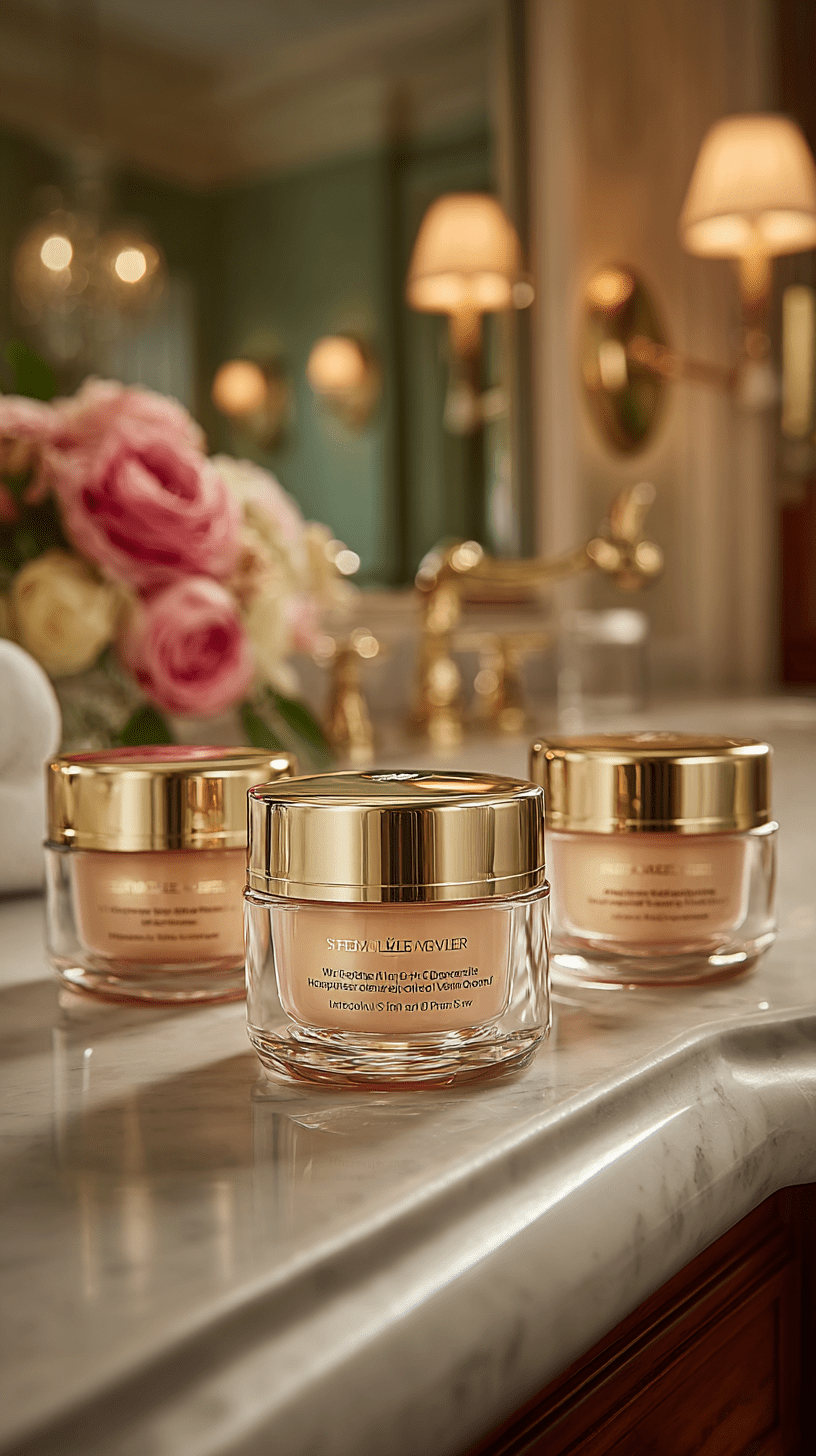
The centerpiece of barrier repair is a ceramide-rich moisturizer. This is non-negotiable. Your barrier is made of ceramides, so you need to actively replenish them through skincare. The COSRX Balancium Comfort Ceramide Cream (also on Stylevana) is my go-to recommendation. It contains all three essential ceramide types—NP, NS, and EOP—in concentrations that are actually meaningful. It also has cholesterol and fatty acids, completing the lipid matrix puzzle. When I recommend this to clients with barrier damage, the improvement in skin texture and resilience is often visible within two weeks.
The final step is an occlusive seal—a product that sits on top of everything and prevents water from evaporating. This is where something like the Illiyoon Ceramide Ato Concentrate Cream (also on Stylevana) excels. It’s intensely occlusive, which means it locks all the hydration and ceramides from your previous layers into your skin overnight. For many people with dry, compromised barriers, this overnight step makes a real difference. You wake up to skin that’s plump, comfortable, and genuinely hydrated for the first time in months.
If you want the complete protocol—including how to layer these products, when to introduce other actives, and how to transition from barrier repair into a maintenance routine—I’ve created a detailed guide here: the full barrier repair protocol. It’s specifically designed for women over 40 and addresses the unique needs of aging, barrier-compromised skin.
How Barrier Repair Connects to Slow Aging
K-beauty’s broader shift toward what’s being called “slow aging” is fundamentally about barrier health. Slow aging isn’t about chasing the newest, strongest actives. It’s about understanding that sustainable anti-aging comes from supporting your skin’s biological capacity to stay young. A healthy barrier is the foundation of that capacity.
When you prioritize barrier repair, you’re saying no to the extractive, aggressive skincare approach that dominates Western anti-aging. You’re saying no to the idea that more actives are better, that stronger is always superior, that harsher products will get you results faster. Instead, you’re working with your skin’s own biology. You’re giving it the lipids it needs. You’re reducing inflammation. You’re allowing it to produce its own anti-aging compounds without being in constant damage-control mode.
The results speak for themselves, but they’re not dramatic overnight transformations. Barrier repair is slow, which is the point. You’re not trying to shock your skin into looking younger. You’re trying to restore its fundamental health so it can age gracefully, stay resilient, and maintain its ability to regenerate. Within four to eight weeks of consistent barrier-first skincare, you’ll notice that your skin is plumper, clearer, less reactive, and actually appears younger—not because of a single miracle product, but because the foundation is strong.
The Bigger Picture: Why This Matters at 40 and Beyond
I’m deeply invested in this approach because I’ve seen what happens when women over 40 get it wrong. They use stronger retinols, add more actives, buy more products, and their skin gets progressively worse. They become frustrated because nothing is working, and they don’t understand why. The reason is almost always the same: their barrier is damaged, and they’re targeting the symptoms instead of addressing the root cause.
The barrier-first philosophy isn’t soft or passive. It’s actually the most intelligent, science-based approach to anti-aging. It acknowledges that your skin over 40 has real biological constraints: lower ceramide production, slower repair, higher TEWL, increased inflammation. Rather than fighting those constraints with ever-stronger products, you work within them. You support what your skin can do. You remove the barriers to its natural anti-aging processes.
If you’re struggling with sensitivity, reactivity, or that sense that your skin is aging faster than it should, barrier repair is likely the missing piece in your routine. I have thorough resources that can help you identify whether your barrier is actually damaged—you might recognize yourself in the five signs of barrier damage after 40—and then move through repair systematically.
The shift toward barrier-first skincare isn’t just a trend. It’s a recognition that aging beautifully isn’t about fighting your skin or overloading it with actives. It’s about respect for what your skin can actually do, support for its fundamental needs, and patience with the process. That’s the philosophy behind everything I create at Atelier Seoul Skin, and it’s why I’m so passionate about making barrier repair the conversation that dominates anti-aging skincare in the next decade.
Your barrier is the foundation of every other skincare goal. Support that first, and everything else becomes possible.
Galya Stoilova | Atelier Seoul Skin | atelierseoulskin.com
Related reading
Free Guide
Get Your Free 5-Minute K-Beauty Routine
A simple, step-by-step morning routine designed for healthy, glowing skin after 40. No 10-step overwhelm — just 5 minutes.
YES, SEND ME THE GUIDEThis article is for general information only and is not medical advice. Skin can respond differently to the same product, so please patch test anything new. If you have a skin condition, persistent irritation or any concerns about your skin, speak to your GP, a pharmacist or a dermatologist. Read the full Disclaimer.