Bloom Skin vs Glass Skin: Which Is Better After 40?
AFFILIATE DISCLOSURE — This post contains affiliate links. If you purchase through my links, I may earn a small commission at no extra cost to you. I only recommend products I have personally researched and believe in. Thank you for supporting Atelier Seoul Skin.
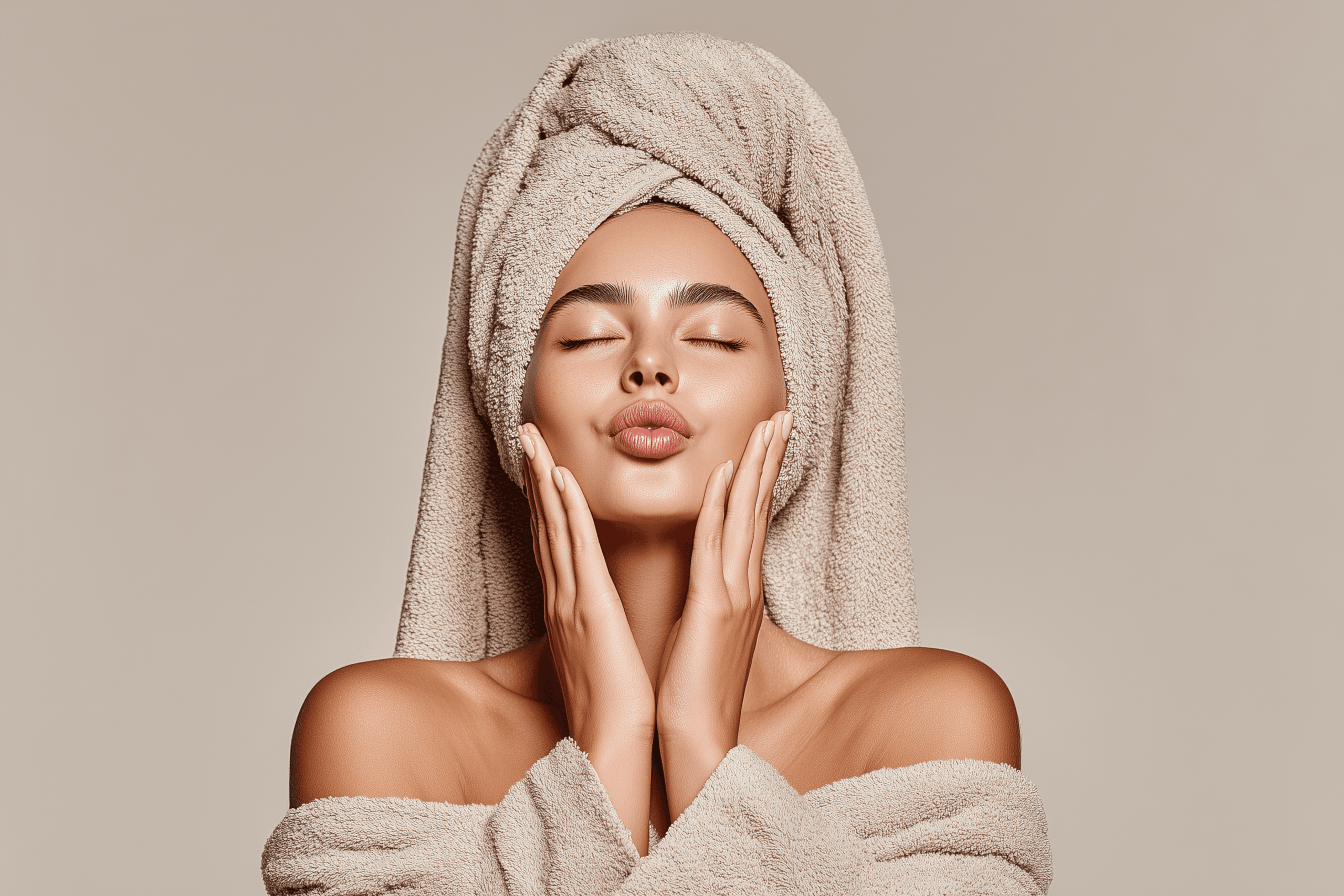
When I first encountered the term “glass skin” in 2020, I thought it was the answer to my skincare prayers. Here was a framework—a visual goal—that promised poreless, translucent, luminous skin that caught the light like a pane of perfectly polished glass. I spent two years chasing it. Layering essences, using pearl highlighters, applying multiple hydrating toners, using products that promised that ethereal, wet-look glow.
It didn’t work. And I wasn’t alone. By my mid-40s, with naturally dry, acne-prone skin that had been through decades of sun exposure, hormonal shifts, and over-treatment, I realized something essential: glass skin wasn’t a realistic or even healthy goal for my skin type and life stage. The obsession with that ultra-dewy, poreless aesthetic was actually working against my skin’s fundamental needs.
Today, I’m not pursuing glass skin anymore. I’m pursuing bloom skin—and the difference has transformed my entire approach to skincare, my results, and honestly, how I feel in my skin.
What Is Glass Skin, Really?
Glass skin became the dominant K-beauty aesthetic around 2019 and peaked in popularity through the early 2020s. The goal was visual perfection: skin so smooth, so translucent, so dewy that it literally looked like glass—reflective, poreless, absolutely luminous. The emphasis was on surface appearance. It required heavy layering of hydrating products, often 8-10 step routines, plus strategic use of highlighters or illuminating primers to create that wet, glossy finish that photographs beautifully under ring lights.
To achieve this look, the standard protocol involved fermented essences, multiple hydrating toners (often the same product applied twice or three times in a single routine), sheet masks, sleeping masks, and sometimes even silicone-based primers underneath makeup to amplify that glazed effect. The message was clear: more hydration, more shine, more visual polish equals better skin.
For younger skin—skin in its 20s and even early 30s—with good barrier function and natural plumpness, this approach could work. But for women over 40, particularly those with dry or compromised skin barriers, it often backfired. Over-layering hydrating products without sufficient occlusion actually dehydrated skin. The focus on surface glossiness masked underlying texture, sensitivity, and barrier damage. And the constant pursuit of that wet-look finish encouraged reliance on products that felt instantly plumping but didn’t address long-term skin health.
Enter Bloom Skin: The 2025-2026 K-Beauty Shift
Bloom skin emerged in late 2024 and early 2025 as a deliberate pushback against the glass skin obsession. Rather than chasing visual perfection and surface gloss, bloom skin prioritizes actual skin health—and the radiance that naturally emerges from a healthy, balanced, well-functioning barrier. The aesthetic is softer, warmer, more lived-in. It’s the glow that comes from within, not the shine that comes from a highlighter.
Where glass skin is about maximum luminosity and porelessness, bloom skin celebrates skin’s natural texture, softness, and that subtle, warm radiance that comes from optimal hydration and barrier health. It’s plump without being shiny. It’s clear without being poreless. It has dimension and depth rather than that flat, reflective quality of glass skin. Most importantly, it’s achievable at 40, 50, and beyond—because it works with your skin’s actual biology rather than against it.
The term “bloom” itself is revealing. It suggests something natural, organic, unforced—the way a flower blooms when conditions are right. You don’t make a flower bloom by polishing it or layering products on its petals. You create the conditions for it to bloom from within.
Why Glass Skin Never Worked for Me After 40
My skin barrier changes started around age 42. I didn’t realize it was happening until my usual glass-skin routine—which had worked adequately in my late 30s—suddenly started creating problems. I’d apply my layered toners, my essences, my multiple hydrating steps, and by morning my skin would feel tight and uncomfortable. Within weeks, I developed patches of sensitivity and redness, especially around my cheeks and jawline.
What I didn’t understand then—but I do now—is that my skin’s barrier function had shifted. After 40, my skin produced less natural oils, my barrier lipids (particularly ceramides) had declined, and my skin’s natural water-binding capacity had decreased. Those light, hydrating layers I was using, without proper occlusion, were actually pulling water from deeper skin layers rather than sealing it in. I was creating the opposite of what I thought: dehydration masked by temporary plumping.
Additionally, the focus on that glossy, wet finish was completely divorced from my skin’s actual needs. My skin didn’t need more shine. It needed barrier repair, ceramide replenishment, and ingredients that would support its natural healing and regeneration. The whole aesthetic goal was working against my skin’s physiology.
The Science Behind Why Bloom Skin Works Better After 40
When I shifted to a bloom skin approach, I shifted my entire understanding of what healthy skin needs at this life stage. The change came down to addressing the actual mechanisms of skin aging after 40, rather than trying to cosmetically manipulate surface appearance.
After 40, several biological shifts happen simultaneously. Estrogen decline affects barrier lipid production, particularly ceramides, which are essential for maintaining the skin’s moisture barrier. Natural oil production decreases, making the barrier more vulnerable to water loss. Skin cell turnover slows, meaning dead cells accumulate more easily and skin can look dull and textured. And skin’s natural hydration gradient—the mechanism that distributes water from deeper layers to the surface—becomes less efficient.
Glass skin routines tried to compensate for these changes by adding external hydration and glossy surface products. But this is like trying to repair a leaky roof by painting the ceiling. Bloom skin, instead, targets the actual cause: barrier function. By using ceramides, humectants paired with proper occlusion, gentle exfoliation to remove that dull cell layer, and ingredients that support skin’s natural repair mechanisms, you’re actually addressing the root issues.
The radiance that emerges from this approach is genuine. It comes from skin cells that are actually well-hydrated and functioning optimally, not from light reflection off a glossy surface. And this kind of radiance is also sustainable. You’re not dependent on perfect lighting or the right highlighter. Your skin actually looks and feels better.
Routine Architecture: Glass Skin vs Bloom Skin After 40
The practical differences between chasing glass skin and pursuing bloom skin show up immediately in your daily routine. A typical glass skin routine for someone in their 40s might look like this: gentle cleanser, toner, essence, hydrating toner, essence again, serum, sheet mask (several nights a week), eye cream, moisturizer, and an illuminating primer before makeup. The philosophy is additive—more products, more layers, more hydration equals better results.
A bloom skin routine flips this approach. It’s reductive rather than additive. It’s about choosing products that actually solve problems rather than simply layering for visual effect. My bloom skin routine focuses on barrier support, which means fewer but more intentional steps. I cleanse gently, apply a hydrating toner or essence to a damp face (so it actually seals in water rather than evaporating), use products with ceramides and barrier-supporting ingredients, occlude properly with a richer moisturizer, and skip the illuminating primers in favor of letting my skin’s natural radiance do the work.
The COSRX Advanced Snail 96 Mucin Power Essence (also on Stylevana) fits perfectly into a bloom skin routine because it’s not there for surface gloss—it’s there because snail mucin contains compounds that support barrier health and skin hydration at a deeper level. I apply it to damp skin, and rather than expecting instant dewiness, I’m waiting for the subtle plumping that comes from genuinely hydrated skin cells. The result is that soft, luminous quality that defines bloom skin.
Building Your Bloom Skin Routine: The Barrier-First Approach
If you’re interested in transitioning from glass skin to bloom skin—or if you’ve been struggling with the glass skin approach and want to try something different—the shift requires rethinking your priorities. Instead of asking “what will make my skin look the most luminous and poreless,” ask “what does my barrier need to function optimally?” The answer usually involves ceramides, intact lipid complexes, humectants paired with occlusion, and gentle ingredients that support skin’s natural repair.
Start with a gentle, non-stripping cleanser. This is non-negotiable. If you’re using a cleanser that leaves your skin feeling tight, it’s already compromising your barrier, and no amount of hydrating products afterward will fully compensate. Follow with a hydrating toner on damp skin, which creates a moisture-rich base for the next steps. This is where a product like the Laneige Cream Skin Refiner works beautifully—it functions both as a toner and a light hydrating layer, so you’re not over-layering.
Next, layer in barrier-supporting ingredients. This is where the SKIN1004 Probio-Cica Intensive Ampoule (also on Stylevana) enters my routine. Rather than using it for surface effects, I use it specifically because it supports barrier function through its combination of cica (centella asiatica) and probiotics, which help restore a healthy microbiome on your skin’s surface. A healthy skin microbiome is absolutely crucial for barrier function, and it’s something that glass skin routines almost never address.
Occlude properly with a moisturizer rich in ceramides and lipids. The goal here is to seal in the hydration you’ve applied and prevent water loss. Your moisturizer should feel like an actual barrier—creamy, slightly occlusive—not a light serum that evaporates. And use it generously. After 40, the idea that you should use only a pea-sized amount of moisturizer is counterproductive. Your skin needs more support than that.
For those with acne-prone skin at 40 and beyond, this approach actually works better than glass skin routines because you’re supporting barrier health without the heavy, pore-clogging potential of excessive layering. A compromised barrier makes acne worse—bacteria penetrate more easily, inflammation spreads more readily, and your skin’s natural healing capacity diminishes. By prioritizing barrier repair, you’re actually supporting clearer skin as a downstream benefit.
The Role of Exfoliation and Cell Turnover in Bloom Skin
One thing bloom skin routines handle better than glass skin routines is the texture issue that develops after 40. Because skin cell turnover slows with age, dead cells accumulate on the surface, which can make skin look dull and feel rough—and no amount of hydrating layers will fix this. Glass skin routines typically skip meaningful exfoliation because they’re focused on maximizing hydration, which leaves that texture problem unaddressed.
Bloom skin routines incorporate gentle, consistent exfoliation because smooth, well-turned-over skin naturally looks more radiant and feels softer. I use a gentle chemical exfoliant (usually a low-percentage AHA or BHA) 2-3 times weekly, always followed by barrier-supporting hydration and occlusion. This removes that dull cell layer without compromising barrier function, which creates the foundation for genuine radiance.
The texture improvement that comes from consistent gentle exfoliation is often underestimated. When your skin actually feels smooth because dead cells have been properly removed—not because they’re being temporarily plumped by hydrating layers—the entire visual quality shifts. This is part of what makes bloom skin so sustainable. You’re creating actual surface improvements, not cosmetically masking problems.
Addressing Dry and Acne-Prone Skin Simultaneously
The combination of dry and acne-prone skin after 40 is particularly challenging because both issues demand attention, but they seem to require opposite approaches. Over-treating acne with stripping products damages your barrier and worsens dryness. Over-hydrating to address dryness can trigger breakouts if you’re not careful about ingredient selection and barrier function.
Bloom skin actually solves this paradox because both issues stem from the same root cause: barrier dysfunction. When your barrier is compromised, your skin becomes both more prone to irritation-triggered breakouts and less able to retain moisture, creating that painful combination of dryness and acne. By focusing on barrier repair first, you address both problems simultaneously.
This is why barrier-supporting ingredients are so crucial. Ceramides, for example, reduce inflammation (which helps with acne) while simultaneously improving hydration (which helps with dryness). Probiotics support a healthy skin microbiome, which reduces acne-causing bacteria and supports barrier function. Cica reduces redness and supports skin healing. You’re not choosing between treating acne and treating dryness—you’re addressing both through barrier support.
Making the Transition: What to Expect
If you’ve been pursuing glass skin through heavy layering and are thinking about transitioning to a bloom skin approach, expect an adjustment period. Your skin might initially look less dewy (because you’re not using illuminating primers anymore), and you might feel like you’re using fewer products (because you are). But within 4-6 weeks, most people see improvements in texture, reduced sensitivity, and that subtle but genuine luminosity that defines bloom skin.
The transition is easiest if you simplify gradually while simultaneously adding barrier-supporting ingredients. Keep your cleanser and one hydrating layer, add a barrier-supporting product like the SKIN1004 Probio-Cica Intensive Ampoule, and make sure you’re using a proper occlusive moisturizer. You don’t need to overhaul your entire routine overnight. Over the course of 8-10 weeks, you can continue removing layers that aren’t serving you and replacing them with ingredients that actually support your skin’s health and function.
For further guidance on this transition, I’ve written extensively about the signs of barrier damage after 40 and how to recognize whether your current routine is actually supporting your barrier or compromising it. I’ve also created a detailed barrier repair protocol that walks through exactly how to structure a routine specifically designed for barrier recovery.
Why Bloom Skin Feels Better, Too
One thing I didn’t anticipate when I shifted from glass skin to bloom skin was how much better my skin would actually feel. Glass skin routines, with their emphasis on hydration and surface gloss, often result in that tight-then-shiny cycle where your skin feels uncomfortable between applications. Bloom skin routines, because they actually address barrier function, result in skin that feels comfortable all day. There’s no sudden tightness in the afternoon. There’s no desperate need to reapply a hydrating layer after a few hours.
This comfort is partially aesthetic—when your skin feels good, that translates into looking good—but it’s also functional. Comfortable skin is skin with an intact barrier, which means better protection from environmental stressors, better ability to heal from blemishes and sensitivity, and long-term resilience. You’re not just changing how your skin looks. You’re changing how your skin actually functions.
The Reality of Skin After 40
I think the reason glass skin became so dominant as an aesthetic goal is because it promised a solution to aging skin that didn’t require accepting aging. It promised that if you just layered enough products and pursued that youthful, poreless perfection hard enough, you could have the skin of your 25-year-old self. For many of us, admitting that our skin has changed—that we can’t achieve certain looks anymore—felt like admitting defeat.
Bloom skin requires a different mindset. It’s not about recreating the skin of your youth. It’s about supporting your skin exactly as it is now—with its changed barrier function, its different hydration needs, its new texture and concerns—and allowing it to be as healthy and radiant as it can be at this life stage. That’s actually more powerful than chasing glass skin ever was, because the results are real, sustainable, and grounded in actual skin health rather than cosmetic illusion.
If you’re over 40 and you’ve been struggling with glass skin routines, I genuinely encourage you to try this shift. Your skin might surprise you with what it’s capable of when you stop fighting its nature and start supporting its actual needs.
Reading Further
If you want to go deeper into barrier repair and understanding your skin’s specific needs after 40, I recommend reading my guide on ceramides and barrier repair after 40. I’ve also written about building minimal routines for dry, acne-prone skin over 40, which pairs perfectly with the bloom skin philosophy.
Galya Stoilova | Atelier Seoul Skin | atelierseoulskin.com